
Quick Verdict
Factor is the right meal subscription for women over 50 who want help with the protein-and-vegetable side of dinner without committing to cooking five nights a week. Six weeks in, I was using it for four dinners a week and one lunch. The high-protein menu fits a menopausal eating pattern naturally, the meals heat in three minutes, and the portion sizes are realistic. The catch is the price, which only pencils out if you actually use what you order.
Get Factor Today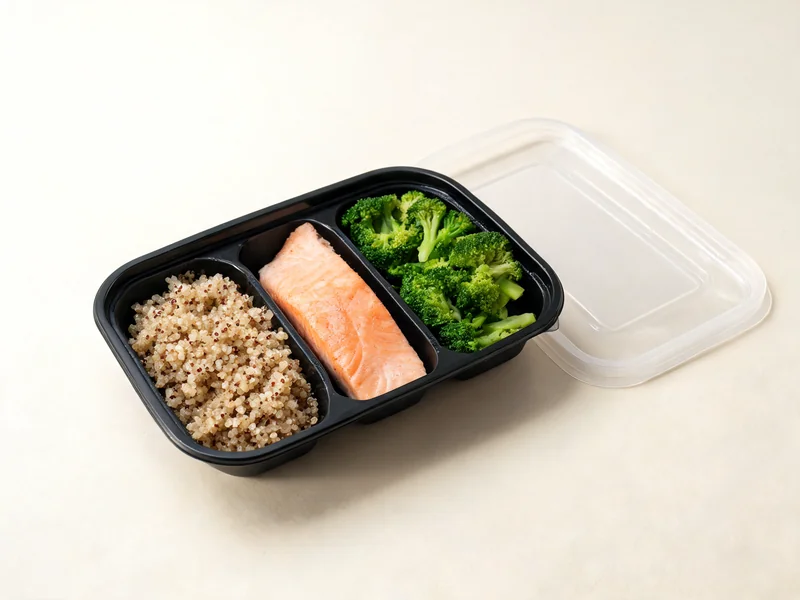
Who This Subscription Is For
Factor fits a specific profile: women in their 50s and 60s who are watching protein intake (because we all should be at this age), who don't want to cook five nights a week anymore, and who are tired of takeout being the default when the day runs long. It's not for women who genuinely love cooking and have a grocery routine that works. It is for women whose weeknight dinner question keeps becoming a problem at 6 p.m.
What I Tested
Six weeks. Eight meals per week (their default), so 48 meals total over the test, mostly dinners with a few lunches. I tracked three things: how often I actually ate the meal versus letting it sit (the real test of any subscription), how the meals fit my macros (I aim for 30g of protein at dinner), and whether the meal-prep load on my kitchen actually went down.
What Actually Changed
My Dinner Decision Fatigue Disappeared
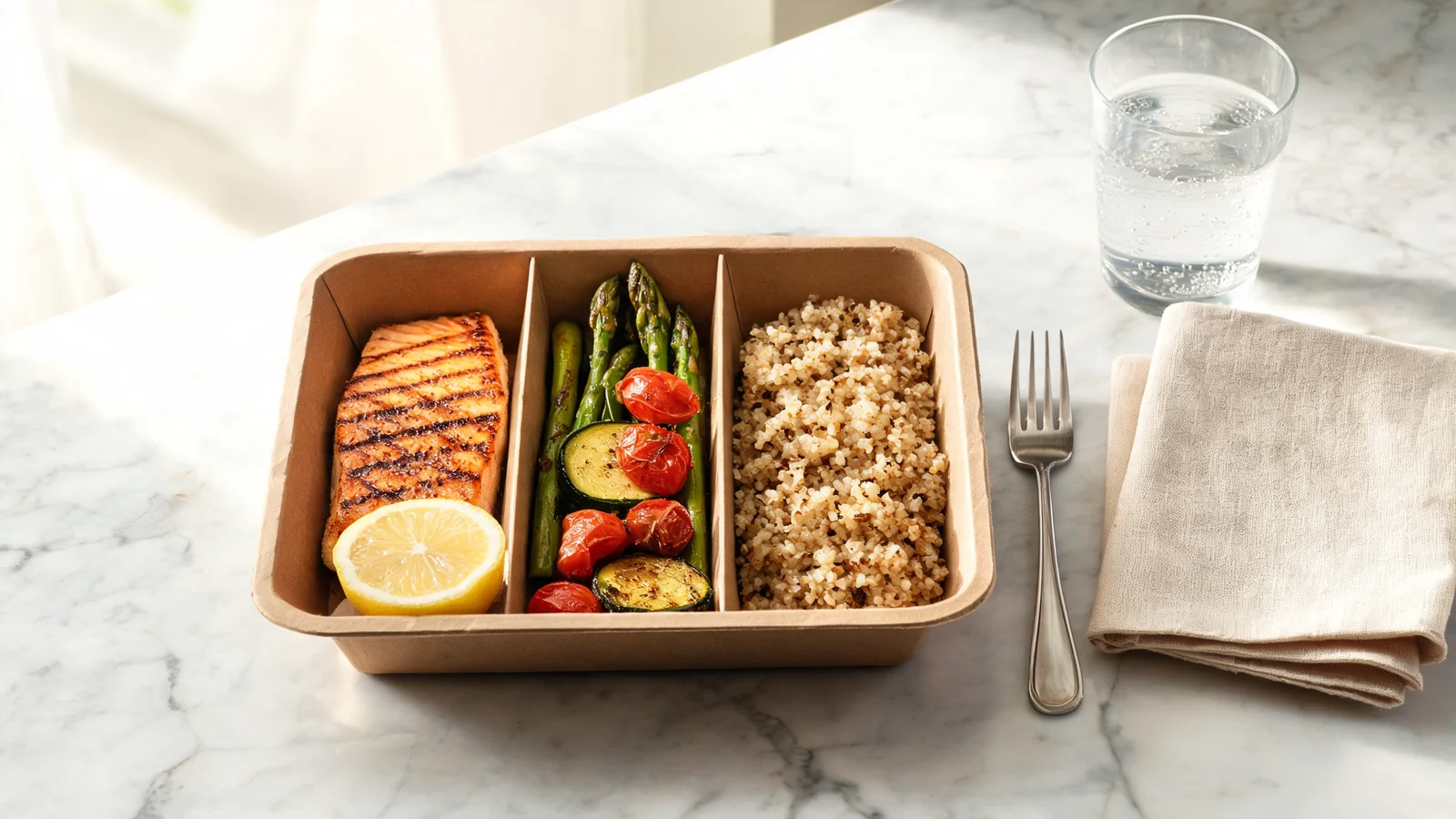
The single biggest impact wasn't about cooking time. It was that the question of "what's for dinner" stopped existing for four nights a week. I'd open the fridge, pick a tray, and three minutes later have a real meal on the plate. For women in our 50s who have spent thirty years answering this question for other people, the relief of not having to is harder to describe than I expected.
Protein at Every Meal Got Easier
Most meals I ordered hit 30 to 45 grams of protein. That's exactly the target range for a menopausal woman who is also doing any kind of strength work. Hitting that consistently from my own cooking takes planning. Factor delivers it in a tray.
I Ate Less Takeout
The real value showed up on Wednesdays. By 6 p.m. on a midweek day, my willpower for "I'll cook something healthy" is statistically zero. Having a Factor meal in the fridge meant the takeout decision didn't get made. Six weeks of that adds up.
By week three, the dinner-decision-fatigue I didn't realize I had been carrying for thirty years had quietly lifted. That alone justified the spend for me.
What Didn't Work
Some Meals Are Mediocre
About one in eight meals I ordered was a real disappointment. Bland chicken, watery sauces, vegetables that had gone past their best in transit. After two weeks I had a list of dishes I'd reorder and a list to skip, and the experience improved meaningfully once I learned what worked.
Sodium Levels Vary Wildly
Some meals run 800-1,000 mg of sodium. If you have blood pressure to manage (and many of us in this bracket do), you'll want to read the nutrition panel before ordering, not after.
Vegetables Are the Weak Spot
Factor's protein game is strong. The vegetable side is where most meals lose ground. Many trays come with two ounces of broccoli or zucchini that's seen better days. I started supplementing every Factor meal with a fresh side salad or a quick-roasted tray of vegetables, which somewhat undermined the convenience promise.
Want to try a week without committing?
Factor's first-time discount makes the first delivery substantially cheaper, and you can pause or cancel after the first week if it's not for you. That's the test window I used.
Get Factor TodayPros and Cons
Pros
- High-protein menu fits a menopausal eating pattern naturally
- Three-minute heat time, no prep, no cleanup
- Real reduction in dinner-decision fatigue
- Eliminated three to four takeout dinners per week for me
- Pause and skip flexibility is genuine, not a hassle
Cons
- About 1 in 8 meals is a disappointment, learn the menu
- Sodium levels run high on many entrees
- Vegetable portions are small and underwhelming
- Per-meal cost is meaningfully higher than home cooking
- Packaging waste is significant, even with their recycling program
Alternatives Worth Considering
- Sunbasket: meal-kit format with more vegetable variety and Mediterranean-leaning menus, but you have to cook. Better choice if cooking time is fine but planning isn't.
- Daily Harvest: plant-forward, smoothies and bowls. Better for lunch than dinner. The right addition rather than a replacement.
- Trifecta or Magic Kitchen: direct competitors in the prepared-meal space. Both have higher-quality protein options but more limited menu variety.
The Verdict
Factor earned its place in my routine for four nights a week, which is exactly the dosage that makes the subscription pencil out without overcommitting. Used twice a week, it's an expensive convenience. Used five or six times a week, the meals stop feeling special and the menu rotation gets old. Four trays a week, supplemented with one or two real home-cooked dinners and weekend cooking, is the rhythm that worked.
If you're in your 50s, the dinner question is a problem that runs three or four nights a week, and you have the budget for a $100 to $130 weekly delivery, Factor is one of the most useful subscriptions I've tested at this stage of life.
Ready to test it for a week?
The first-time discount makes a single week affordable enough to find out whether this fits your life. That's how I'd start, and that's how I'd judge.
Try Factor Meals