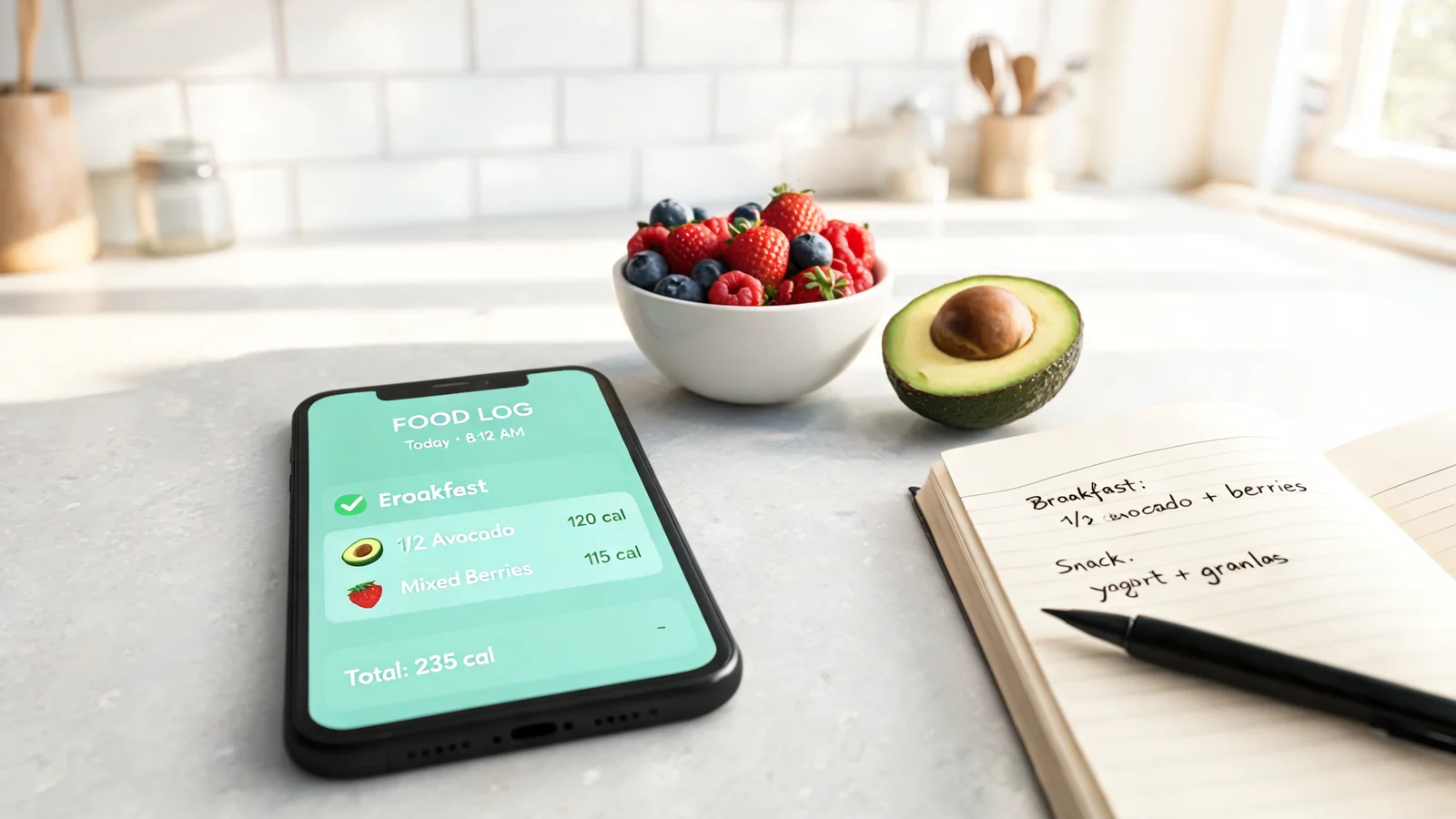
This is a question we get from readers every week: "I'm 53 and the same things that used to work aren't working. Should I try Noom or WW?" Both programs market hard to women in our age bracket. Both have meaningfully changed since the apps we may remember from a decade ago. And neither one is the silver bullet either company implies.
I ran both, six months each, between ages 56 and 57, with the kind of weight that shows up in our 50s without much warning. Same body. Same kitchen. Same stubborn middle. Here's the honest comparison.
The short answer: Noom worked better for the head game. WW worked better for the kitchen. If I had to pick one, I'd pick Noom for women who eat from emotion and habit, and WW for women who already cook and just need a structure that survives real life.
The Quick Comparison Table
| Feature | Noom | WeightWatchers |
|---|---|---|
| Approach | Psychology-first, behavior change | Points-based, food-tracking |
| Monthly cost | ~$70 / month (annual is cheaper) | ~$23 / month for digital |
| Tracking system | Color-coded foods, calorie target | Single PersonalPoints budget |
| Coaching | Personal coach + group chat | Group workshops + community |
| App quality | Smooth, gamified, daily lessons | Solid, less daily-engagement focus |
| Best for emotional eating | Strong, real CBT-based content | Lighter, group-support based |
| Best for the kitchen | Decent | Recipes, ZeroPoint foods, meal-planning |
| GLP-1 integration | Built-in for GLP-1 users | Built-in for GLP-1 users |
| Long-term sustainability | Mixed reports past 12 months | Decades of data on lifelong members |
Where Noom Wins
The Psychology Modules Are Genuinely Good
Noom's daily lessons, ten to fifteen minutes a morning, are the most useful part of the program for women whose weight is tied up in stress eating, evening grazing, or the leftover habits of feeding a family for thirty years. The CBT-based content (cognitive behavioral therapy) is real. The lessons on the difference between hunger and emotion, on identifying triggers, on the four questions to ask before opening the fridge after dinner, those changed something in me.
The Coach
You get a single coach you message with throughout the program. Mine, a registered dietitian named Sarah, was responsive and specific. She caught two patterns I hadn't noticed: that I was undereating in the morning and overeating after 4 p.m., and that my Saturday "rest day" was actually adding 1,200 calories to my week.
The Color-Coded Food System
Green, yellow, orange. Not points. Not strict calories. The system gives you an intuitive sense of "this is a daily food, this is a weekly food, this is an occasional food" without requiring math. For women who don't want to weigh broccoli, this is the friendliest tracking system on the market.
By month three on Noom, I'd lost eight pounds and identified the actual habits that had been holding me steady for years. By month six on WW, I'd lost another seven and finally had a kitchen that supported the work.
Where WeightWatchers Wins
The Kitchen Side of the Equation
WW is a better program if your weight loss bottleneck is "I don't know what to cook." The recipes, the ZeroPoint food list (a generous list of foods you don't have to track), and the meal-planning tools are practical in a way Noom's tools aren't. After three months on WW, I had a working repertoire of fifteen 30-minute weeknight meals that fit my points budget. That's the kind of operational change that survives a busy week.
The Cost
WW digital is meaningfully cheaper than Noom monthly, particularly if you commit to a 6 or 12-month plan. For women on a fixed income or just unwilling to pay $70 a month for a weight-loss app, the math matters.
Decades of Sustainability Data
WW members who stay on the program for years are a real, documented population. Noom's track record past 12 months is much thinner. If you're 56 and you want a program that you might still be doing at 66, WW has a longer history of women in our exact bracket making it work.
What Both Programs Get Right
- Both integrate with GLP-1 medications (Wegovy, Zepbound, etc.) and have specific protocols for women using them
- Both work with menopause-driven changes in a way they didn't five years ago
- Both offer free trials long enough to test before committing
- Both have decent communities for women in our age bracket, though WW's is meaningfully larger
What Neither Program Solves
Hormonal weight gain in perimenopause and menopause is not a calories-in-calories-out problem alone. Sleep, stress, alcohol, hormone status, thyroid function, and resistance training all play substantial roles, and neither app can address those. If you're doing everything right on either program and not seeing results, talk to a doctor about hormones and thyroid. Many women find a combination of program + targeted medical care is what finally moves the needle.
Who Should Choose Noom
Choose Noom if:
You eat from stress, emotion, or habit more than from hunger. You want daily psychology lessons, a real coach, and an app that's genuinely engaging. You're willing to pay more for a more guided experience. The program won't transform your kitchen, but it will transform your relationship to food in a way I didn't expect.
Who Should Choose WW
Choose WW if:
You already cook, you want a structured framework you can run in your own kitchen, and you want a program with decades of data on women maintaining loss long-term. The cost is friendlier, the recipe library is real, and the points system is mature.
The Bottom Line
The honest answer most readers don't want to hear is that the right program for you depends more on what's actually keeping the weight on than on which app is "better." If your problem is in your head (stress, emotion, evening grazing, the broken hunger signals of perimenopause), Noom's content is the more powerful tool. If your problem is in your kitchen (you cook the same six things on rotation, you don't know how to build a balanced plate, takeout is too easy), WW gives you the operational tools.
I lost 15 pounds across both programs over a year. The first eight were on Noom. The next seven were on WW. The combination of the two, the psychology work followed by the kitchen work, was what finally moved a body that had been stuck for three years. If you can only afford one, start with the one that addresses your actual weak spot. And don't rush it. Real loss after 50 happens at the pace of a tide, not a wave.
Start with the program that fits your weak spot
Noom's free trial is long enough to know if the daily lessons resonate. That's the test I'd run first if I were starting over.
Try Noom Free