
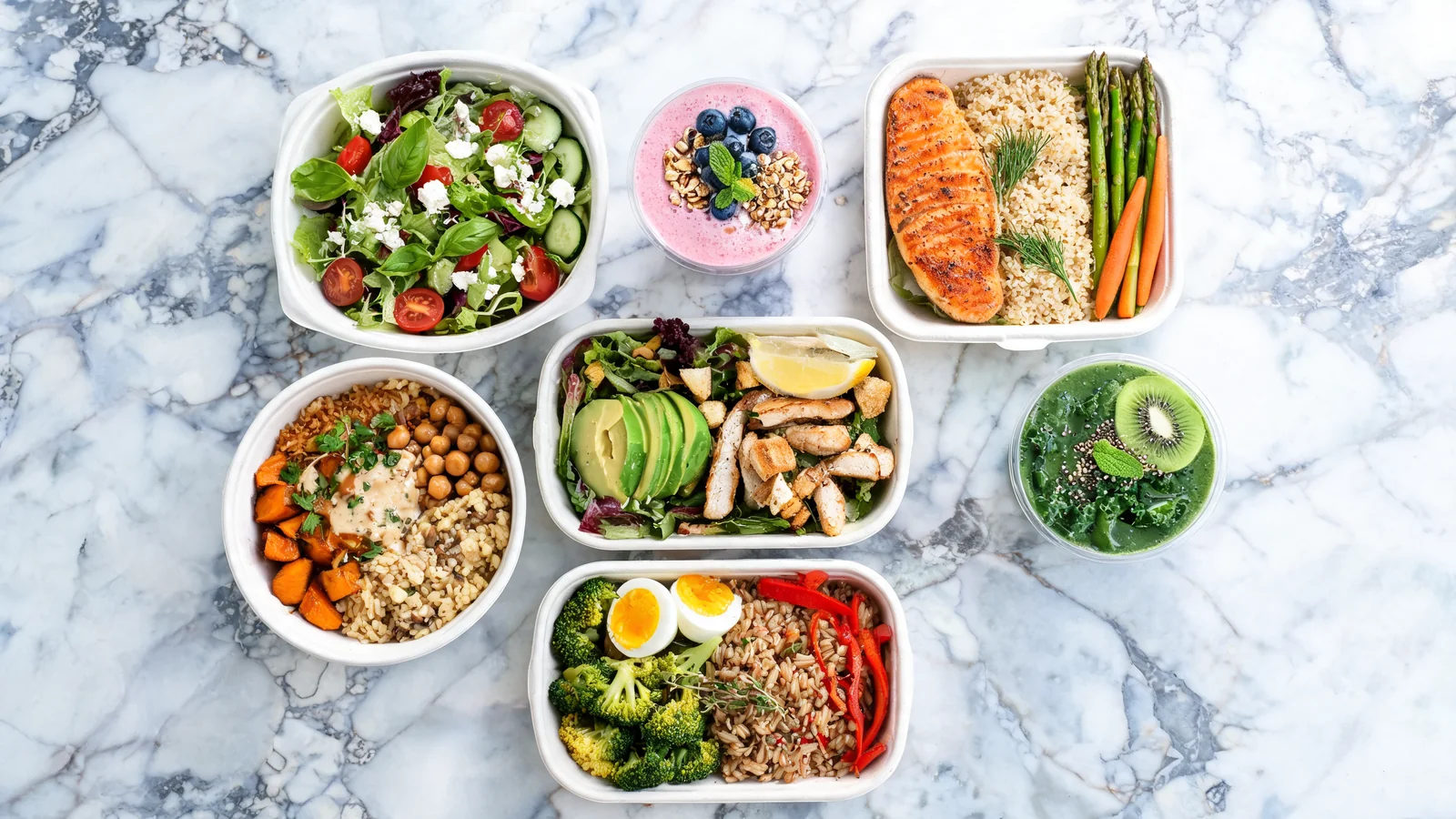
The meal kit market has matured a lot since 2018. The mediocre "everything in a box" services either improved or went out of business. The ones still standing in 2026 are mostly worth a look, but they solve very different problems and they're not interchangeable.
We've tested all seven of these services personally, in our own kitchens, over the last two years. Here's the honest breakdown of which one fits a woman in her 50s or 60s, by problem type.
What We Looked For
- Real protein at dinner (25g+ per serving for women maintaining muscle in our age bracket)
- Vegetable quality and quantity (the place most meal kits fall short)
- Honest pricing per meal (after the introductory discount expires)
- Pause and cancel flexibility (no phone-tree gymnastics)
- Sodium levels (a real concern for women in our 50s with blood pressure to manage)
- Time to plate (be honest about whether you actually want to cook)
- Menu rotation (does the service still feel fresh six weeks in)
The 7 Worth Trying
Factor Meals
Factor is the prepared-meal service we recommend most often to women in our 50s and 60s. Three-minute heat time, no cooking, no cleanup, and a menu built around protein-forward dinners that fit a menopausal eating pattern naturally. The catch: about one in eight meals is mediocre, sodium runs high on some entrees, and vegetable portions are smaller than they should be.
Best used for four dinners a week (not all seven), supplemented with one or two real home-cooked meals. That rhythm is what makes the spend pencil out.
Try FactorSunbasket
Sunbasket's Mediterranean and "lean and clean" menus are the strongest in the meal-kit space for women managing inflammation, blood sugar, or cardiovascular risk. Organic produce, responsibly-sourced protein, and recipes that have become permanent additions to our home rotation.
You do have to cook (20 to 35 minutes per meal), so this is for women who don't mind cooking but want the planning and shopping handled. Worth the slightly higher per-meal cost.
Try SunbasketDaily Harvest
Daily Harvest doesn't really compete on dinner, and that's why we recommend it: it solves a different problem. The smoothies, harvest bowls, and soups are designed for women whose breakfast and lunch keep falling apart. Three to five minutes from freezer to plate, plant-forward, and a meaningful boost to weekly fruit and vegetable intake.
Pair it with a dinner service for full coverage, or use it on its own to fix the first half of the day.
Try Daily HarvestBlue Apron
Blue Apron has been around long enough to feel familiar, and the menu has improved meaningfully in the last three years. Strong recipe development, reliable ingredient quality, and a wider menu than most competitors. The wellness and weight-watcher-friendly meal options are useful for women in our age bracket.
Not the highest-end service on this list, but the most balanced on price-quality-variety. A safe pick if you want to test meal kits without spending Sunbasket money.
Try Blue ApronGreen Chef
If you're managing celiac, gluten sensitivity, or running keto/low-carb to manage menopausal weight or blood sugar, Green Chef has the strongest dietary-specific menus in the space. Certified organic, USDA-certified gluten-free meal options, and clean keto recipes that hit real macros.
Higher per-meal cost, but if you have specific dietary needs, the alternative is reading every label at the grocery store yourself. The convenience tax is honest.
HelloFresh
HelloFresh is the broadest menu on this list (50+ recipes per week), the friendliest pricing, and the easiest service to share with a partner or visiting family. For empty-nesters who still cook for two and want variety without the meal-planning load, it earns its place.
Ingredient quality is solid but doesn't reach the Sunbasket or Green Chef tier. The right pick for variety-first, budget-conscious cooking.
Trifecta
If you're strength training seriously in your 50s and 60s and your protein target is north of 35 grams per meal, Trifecta is the prepared-meal service built for that. Macro-precise meals, paleo and keto plans, and clean ingredient sourcing. The texture is more workout-meal than restaurant-meal, which is the right tradeoff if you're treating dinner as fuel.
Higher per-meal cost than Factor, but the macros are honest and the protein is real.
Quick Picks by Problem Type
- Dinner is the broken meal: Factor (no cooking) or Sunbasket (cooking)
- Breakfast and lunch are the broken meals: Daily Harvest
- You have specific dietary needs (gluten-free, keto): Green Chef
- You want variety on a budget: HelloFresh or Blue Apron
- You're strength training and need precise protein: Trifecta or Factor
- You want full coverage and budget allows: Daily Harvest + Sunbasket combo
The right meal kit isn't the one with the best marketing. It's the one that solves the meal you keep getting wrong. Start there.
The Bottom Line
For most readers, the right starting point is Factor for prepared-meal convenience, Sunbasket for cook-at-home dinners, or Daily Harvest for breakfast and lunch. Pick the one that solves your actual mealtime problem, run it for four to six weeks at the introductory discount, and decide based on your real usage rather than the marketing brochure.
Start with the dinner subscription that earns its keep
Factor's first-week discount is the most affordable test in the prepared-meal space. Run it for a week and you'll know whether the four-night-a-week rhythm fits your life.
Try Factor Meals