

Quick Verdict
After six months of daily Nutrafol Women's Balance, my shower drain looks different. Less hair. Visibly less. The new growth around my temples and part line is finer than the rest of my hair, but it's there, and at month five my stylist noticed before I said anything. The price is the real catch (around $88 a month on subscription), and it takes 90 to 120 days before you'll see anything you can photograph. Worth it for postmenopausal women whose thinning is being driven by hormonal shifts. Less of a fit if you have a thyroid condition, an iron deficiency, or alopecia areata that hasn't been worked up by a dermatologist.
Check Current Price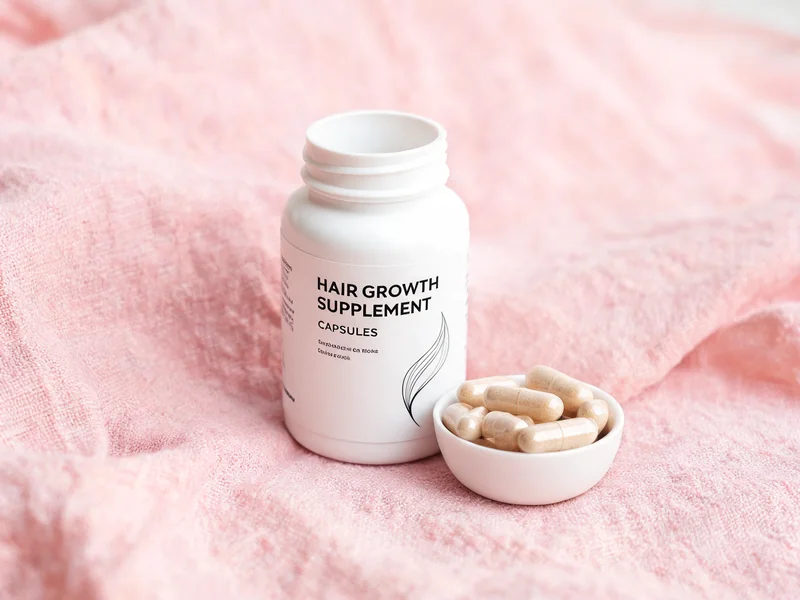
Nutrafol Women's Balance
Daily capsule formulated for women over 45 navigating perimenopause and postmenopause. Saw palmetto, maca, ashwagandha, marine collagen, biotin, and a multivitamin base.
Who This Is For
I started Nutrafol at 53, about eighteen months past my final period. The thinning had been creeping in for years, but the postmenopausal slide was the part that finally got my attention. The temple area was visibly wider. The part line had gone from a clean line to a soft suggestion. My ponytail circumference, when I bothered to measure it, had dropped from a comfortable two inches to something closer to an inch and a quarter.
If your story sounds anything like that, the Women's Balance formulation is the one Nutrafol designs for you. There are other versions (Women's, Postpartum, Vegan, Hairbiotic), but Balance is the one with saw palmetto, maca, and ashwagandha doses formulated specifically for women in midlife hormonal transition.
What I Actually Tested
Four capsules a day with breakfast for 24 weeks. No other changes to my routine apart from the supplement: same shampoo, same hairstylist, same sleep hours, same exercise. I weighed and counted shed hair from my brush every Sunday morning so I'd have something more concrete than vibes to look back on.
I also took a phone photo of my part line in the same bathroom light every other Sunday. Those photos are the most useful evidence I have. The shedding count gave me a number that wobbled week to week. The photos showed a slow, undeniable shift.
Months One and Two: Almost Nothing
The first eight weeks felt like an act of faith. My shedding count actually went up slightly in week three (which I later learned is documented in their clinical trial materials, the so-called shedding phase as old hairs make room for new). My part line looked the same. I started wondering if I'd just bought myself an expensive nail vitamin.
One thing I did notice: my fingernails grew faster and harder. By week six I was filing them every five days instead of every ten. Nice surprise, not what I paid for.
Months Three and Four: Something Is Happening
Around week 12, the shedding count dropped. Not dramatically. Roughly 30% lighter brush yields week over week. By the end of month four, the temple area in my photos had a faint halo of shorter, finer hairs that hadn't been there in October. My stylist asked if I'd been doing something different, and I said yes and braced for the conversation about how supplements are mostly hype. She said she could see new growth at my hairline.
My stylist noticed before I told her. That was the moment I stopped wondering if it was working and started wondering how long I'd be willing to keep paying for it.
Months Five and Six: Visible But Slow
By month six the new hairs had grown long enough that my part line looked fuller without the help of the camera angle. The hairline halo had become an inch of actual baby hair. My ponytail still wasn't back to where it had been in my forties, but it was thicker than it had been when I started.
I want to be careful here. Many women report similar results. Some women report nothing. Nutrafol's own published data shows about 80% of users report visible improvement at six months in their internal studies, which is a real number but not a guarantee.
Pros and Cons
Pros
- Visible new growth at temples and part line by month five for me
- Formulation designed specifically for menopausal hormonal patterns
- Multi-mechanism approach (DHT, stress, micronutrients) rather than just biotin
- Strong stylist and dermatology endorsement compared with most hair supplements
- Capsules are easy to swallow and the smell is mild
Cons
- Cost (~$88/mo subscription, ~$98/mo one-time) adds up fast
- Four capsules a day is a real ask for women already taking other supplements
- Three to four month minimum before any visible result
- Contains marine collagen, so not appropriate for shellfish allergies or vegans
- You stop taking it, you lose the gains within a few months
Alternatives Worth Considering
- Vegamour GRO Hair Serum: topical, plant-based, lower monthly cost. Different mechanism (peptides and mung bean rather than internal hormonal support). I cover the head-to-head in Vegamour vs Nutrafol.
- Topical minoxidil 5%: the most studied option for female pattern hair loss. Inexpensive, available over the counter, but you have to use it forever and it can shed initially.
- Prescription oral minoxidil or spironolactone: a conversation for a dermatologist or menopause specialist if Nutrafol doesn't move the needle for you.
The Verdict
If your hair is thinning in the pattern that midlife hormonal change tends to drive (a widening part, soft temples, a noticeably skinnier ponytail), and you can absorb the monthly cost without flinching, Nutrafol Women's Balance is the supplement I'd recommend trying first. Six months is the honest minimum to know if it's going to work for you.
It is not a miracle product. It is a slow, expensive, multi-mechanism approach to a problem that has no quick answers. For me, the slow part turned into something I could actually see. Your mileage will vary, and that's the honest truth.
Start the six-month test
Subscription pricing is meaningfully lower than one-time orders. If you start, plan on at least four bottles before you decide whether it's working.
See Nutrafol Pricing