
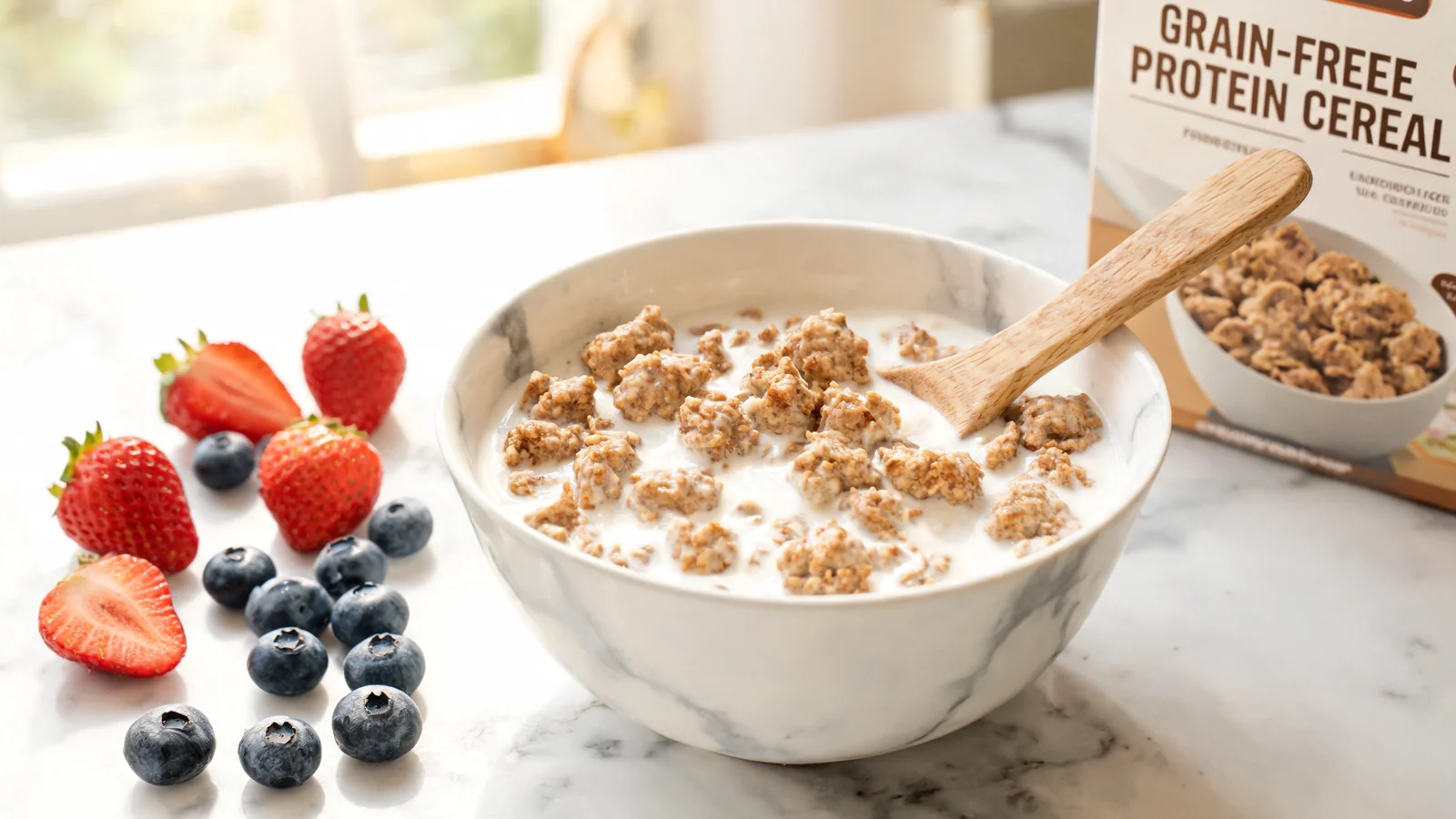
For most of my life, cereal was the only breakfast I bothered to think about. A bowl of Special K with skim milk in my thirties. A bowl of granola with yogurt in my forties. By 53, the same bowl of granola had quietly become a problem. The 11 grams of sugar plus a banana plus the maple-flavored yogurt was a setup for an 11 a.m. crash I'd been blaming on my schedule for years.
So I tried Magic Spoon, the protein-forward, low-sugar cereal that's been pitched at women in midlife for the last few years. I ate it five mornings a week for six weeks, with traditional cereal on the side as a comparison. Here's the honest accounting.
The Short Answer
Magic Spoon is worth the switch if your traditional cereal habit is part of an afternoon-energy or weight-management problem. If you eat cereal once a week as a treat, the difference doesn't justify the price. If cereal is your daily breakfast, the swap is one of the higher-leverage changes a woman in midlife can make in 10 minutes at the grocery store.
The Comparison Table
| Spec | Magic Spoon (Frosted) | Frosted Flakes |
|---|---|---|
| Protein per serving | 14 g | 1 g |
| Sugar per serving | 0 g (allulose / monk fruit) | 10 g |
| Net carbs | 4 g | 27 g |
| Fiber | 3 g | 1 g |
| Calories | 140 | 130 |
| Taste (frosted variety) | Close to a cereal you'd remember | The original it's modeled on |
| Texture in milk | Holds crunch longer | Goes soggy quickly |
| Price per serving | About $1.80 | About $0.40 |
Where Magic Spoon Wins
The Sugar Difference Is the Whole Story
For a woman in midlife, the gap between 0 grams and 10 grams of added sugar at 7 a.m. is the most relevant number on the box. Cereal sugar at breakfast tends to dictate hunger and decision-making for the next four hours. By the third week of Magic Spoon, my 10:30 cookie reach was noticeably smaller. By week six, it was largely gone.
Protein Without a Powder
14 grams of protein in a bowl of cereal you eat the same way you've been eating cereal for fifty years is a deeply low-friction win. I'm not adding a scoop of anything. I'm not blending anything. I'm pouring milk over a cereal and getting a real protein contribution out of breakfast.
Texture Surprised Me
I expected the puffed-corn-and-protein blend to go to mush in milk inside a minute. It didn't. The crunch held longer than the standard supermarket cereals I was comparing it against. That mattered more than I expected, because soggy cereal is one of the small reasons I'd been quietly tiring of breakfast.
The win wasn't about cereal. It was about not making decisions all morning. A breakfast that holds you to lunch is a breakfast that runs your day instead of the other way around.
Where Traditional Cereal Wins
Price, Honestly
Frosted Flakes at $0.40 a serving is about a fifth of what Magic Spoon costs. If you're feeding a family of cereal eaters, the math gets uncomfortable fast. We solved this by treating Magic Spoon as a workday breakfast for adults and keeping a regular cereal on the shelf for the rest of the household.
Taste, If You're Comparing Apples to Apples
Magic Spoon's frosted flavor is close to the real thing, but it's not the real thing. If your cereal happiness is tied specifically to the exact flavor of the Frosted Flakes you grew up with, you'll notice the difference. For me, the swap took a week to fully accept and stopped registering as different by week three.
Familiar Sourcing
Some women in our circle don't like the idea of allulose and monk fruit in their breakfast even when the science is fine. If that's a deal-breaker for you, traditional cereal in moderation is going to feel cleaner.
Who Should Switch
Make the swap if:
You eat cereal as a regular breakfast, your afternoon energy or weight has been quietly slipping, and you'd rather change one thing on the breakfast shelf than overhaul your entire morning routine. The protein-and-zero-sugar combination is genuinely useful for women in midlife, and the swap takes one trip to the store.
Who Should Stay Put
Stay with traditional cereal if:
You eat cereal once a week as a treat and don't want to pay $1.80 a bowl for a treat. Or you have a strong preference for whole-food sourcing and would rather build a savory protein-forward breakfast (eggs, cottage cheese, leftover salmon) than swap one packaged cereal for another.
Stay With Traditional
If cereal is occasional, the price gap probably isn't worth it.
Add Protein Another Way →The Bottom Line
Six weeks in, Magic Spoon has earned a permanent spot on our breakfast shelf for weekday mornings. The traditional cereal is still there for the kids, the grandkids when they visit, and the occasional Sunday treat bowl with the newspaper. The sugar difference at 7 a.m. is a small change with a disproportionate effect on the rest of the day.
For women in midlife who've been quietly losing the breakfast battle for a few years, this is a 10-minute fix that pays back through 11 a.m. and 3 p.m. for as long as you keep it on the shelf.